
Hurricane Preparedness for Florida Roofs
Practical steps before and after a storm — temporary dry-in, documentation, and how Horizon helps homeowners across the Tampa–Naples corridor protect their property.
A. Before the storm
Prep checklist for homeowners
Document & prepare
- Photograph your roof and attic from multiple angles (clear daytime shots)
- Note existing wear, prior repairs, and any soft spots or staining
- Secure or store loose patio furniture, screens, and yard items
- Clear gutters and downspouts if safely accessible
- Know your insurance policy number, agent, and claims phone line
- Save digital copies of declarations pages and prior roof invoices
Contacts ready
- Insurance company & agent contact info stored offline and on your phone
- Licensed roofing contractor number — Horizon: (239) 628-5213
- Plan for power outages: printed contacts and charged devices
- If you manage multiple properties, list addresses and roof types in one place
Horizon can also help with complimentary GPS quotes and roof previews before storm season — see GPS Quote and Roof Preview.
B. After the storm (when safe)
Document first — then protect openings
Only return outdoors or onto the roof when conditions are safe. Priority one is people; priority two is limiting further property damage.
- Document damage with photos and video as soon as it is safe — exterior, interior ceilings, attic, and close-ups of openings
- If the roof is open to weather, arrange temporary dry-in / tarp as soon as safely possible to help prevent further interior damage
- Do not wait for a full replacement bid cycle before covering active openings
- Keep receipts and contractor documentation for temporary protection
- Notify your insurer promptly per your policy requirements
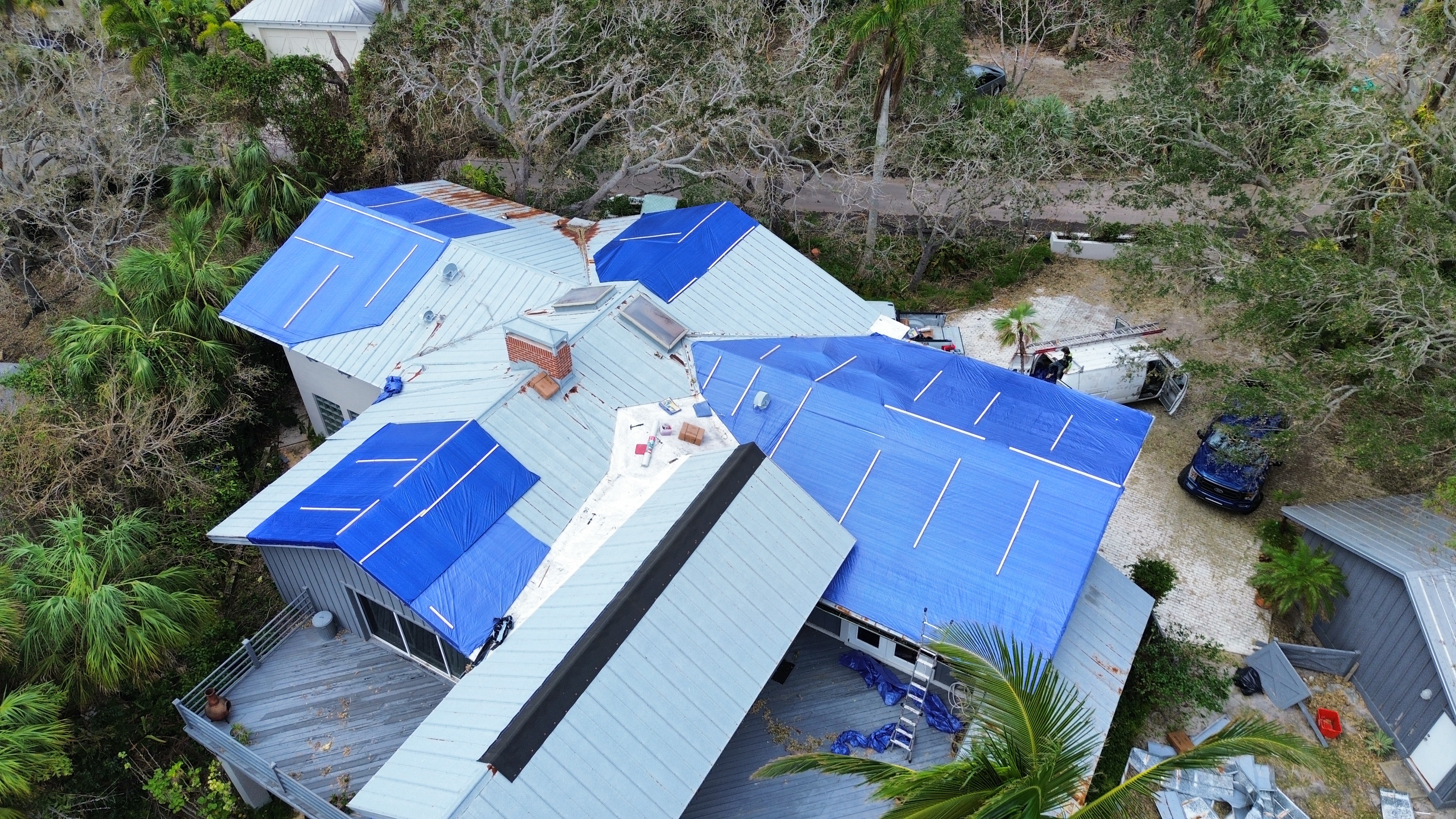
Temporary protection after storm openings · field photo
C. Florida insurance / mitigation
Duty to mitigate — plain language
Typical Florida homeowners policies (often based on ISO-style policy conditions) require the insured to take reasonable steps to protect the property from further damage after a loss. Consumer guidance themes from Florida’s Office of Insurance Regulation (OIR) similarly emphasize documenting damage and preventing additional loss where practical.
Many people wrongly assume the insurer will automatically send a tarp crew. In practice, the homeowner usually must arrange temporary protection. The insurance company expects you to protect the house by paying for a tarp ASAP after the hurricane. They will almost never warn you about that until it is too late, then they blame further water damage on you for not installing a tarp right after the storm. Carriers depend on homeowners being misinformed. They depend on you not knowing the laws.
Failure to take reasonable mitigation steps can get later interior water written off as “your fault” for leaving the opening unprotected.
- Photograph and inventory damage before and after temporary protection
- Arrange tarp / dry-in when it is safe — do not wait indefinitely for a carrier crew
- Keep invoices and scopes for temporary work to submit with your claim
- Follow your policy’s notice and cooperation requirements
D. How Horizon helps
Emergency response, documentation & rebuild priority
Emergency tarp install
When it is safe to work, Horizon installs temporary tarp / dry-in to help protect openings from further weather exposure.
Payment flow (important)
- Horizon installs the tarp
- Homeowner pays for temporary protection
- Horizon helps with documentation so the insurance company can reimburse the homeowner per their policy
- Protecting your home fast gives you the highest chances of a good settlement
Optional new-roof contract during/after tarping
Homeowners may choose to sign a new-roof contract that:
- Locks pricing — post-hurricane pricing often rises
- Prioritizes them on the rebuild schedule (tile and specialty materials can take up to ~6 months from manufacturers after major storms)
- Is contingent on insurance approval of a new roof — null and void if insurance does not approve the roof replacement
Documentation, the roof number, and a public adjuster
Horizon documents damages thoroughly. We can recommend a reliable licensed public adjuster. If you hire Horizon for the roof and a reliable PA for the claim, your chances of a real insurance settlement go way up. The PA fights for the maximum allowable on all hurricane damages. We convey the most expensive part of the file — the roof — so the carrier is looking at the real number, not a cheap patch. That is a team of bulldogs. We will not sit still while the insurance company takes advantage of you.
E. Storm lead form
When a hurricane threatens or strikes
Send your property details so Horizon can prioritize outreach for emergency dry-in and follow-up inspections. Upload photos here — they go straight to our team. No email app needed.
- Name, phone, email, and property address
- Roof type and brief damage notes
- Optional photos of damage, openings, or tarps
Prefer to talk now? Call (239) 628-5213
Hurricane response — property info
We’ll receive your details and photos directly — no email app needed.
Got it — we received your hurricane response info. We’ll follow up as soon as we can.
Couldn’t send. Please call (239) 628-5213.
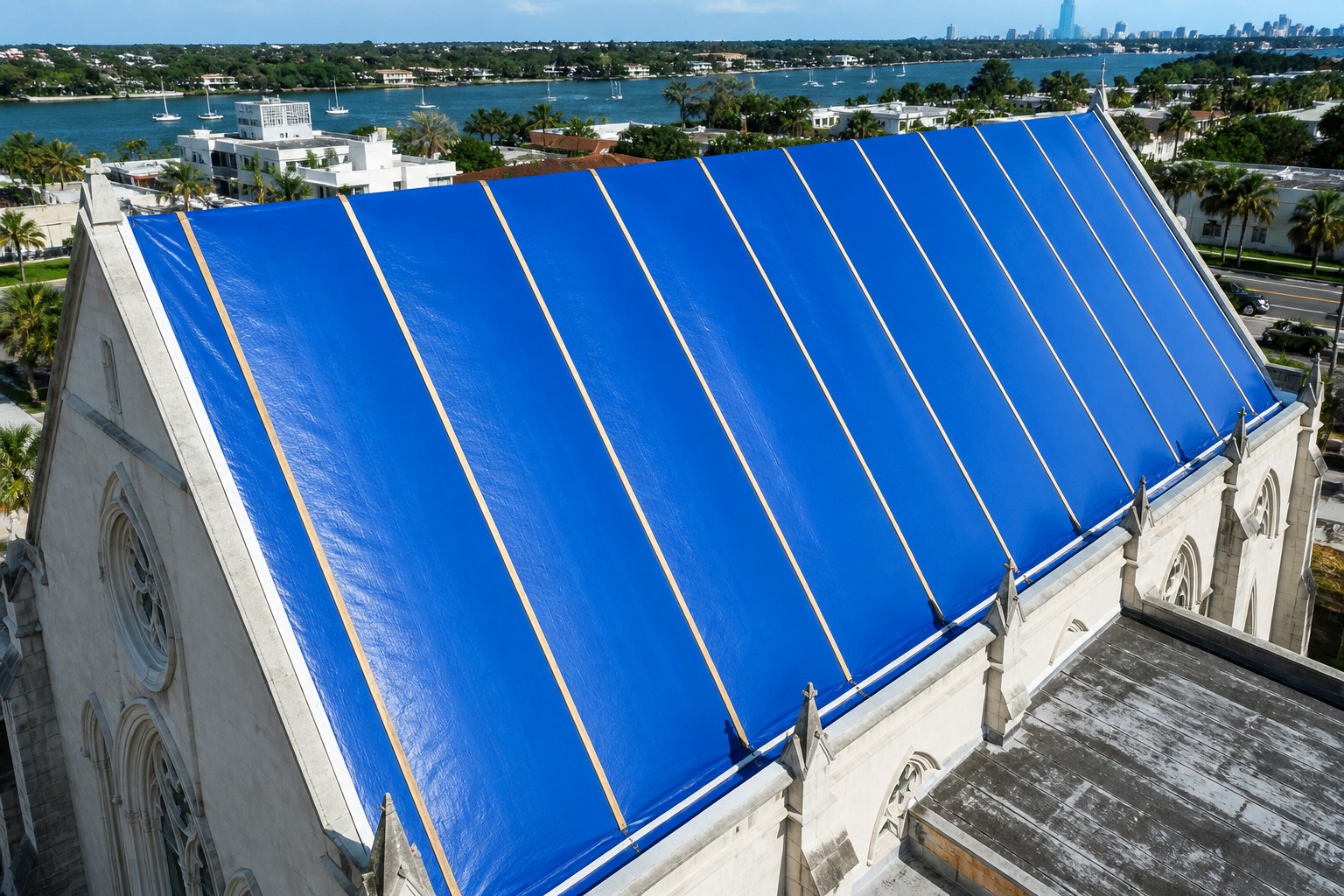
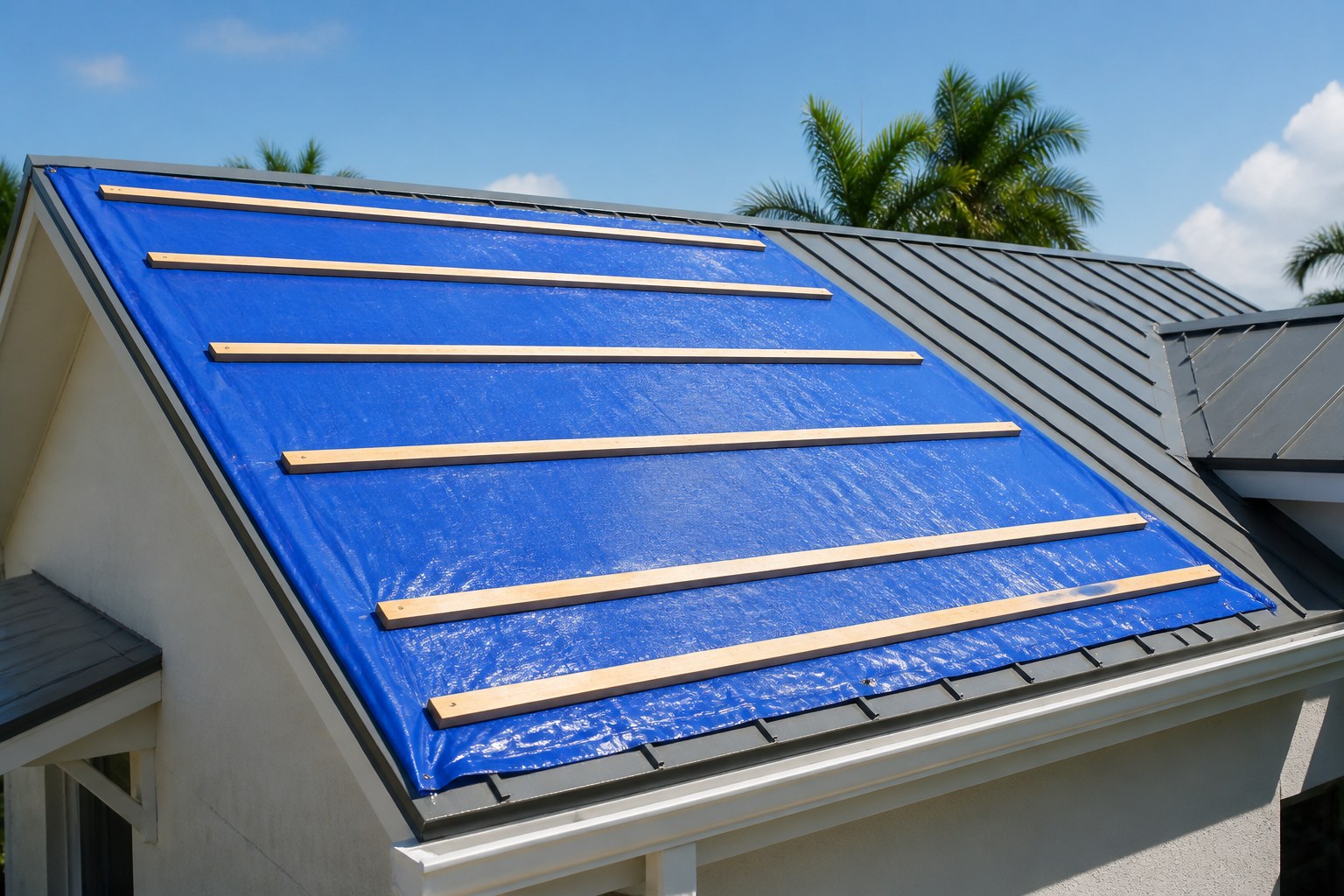
Storm threat or open roof? Horizon is ready to help
Licensed & insured · Tampa to Naples · Emergency dry-in when safe · (239) 628-5213